← Part of Letters from Vietnam
letter
Letter to Terrie, October 1970 — 'I will vote for the immediate pull-out candidates'
Charlie's October 1970 letter to Terrie — a tour-defining political document. He has a new captain (the previous one 'messed up so bad'), racial tensions on base are 'rising very rapidly,' the monsoons have come and he hasn't been dry in five days, and he has reached the decision that he is going to write his congressman, vote in the November 1970 midterm elections, and vote for the immediate-pull-out candidates. The line 'How I hate this army and the 101st in particular' is the sharpest political statement that survives in his correspondence — a young soldier in the field, in his second year in country, doing what he can within the political system to end the war he is fighting in.
What the letter is
October 1970. Charlie has been in country roughly a year. He is in the field with his platoon of the 101st Airborne Division. The northeast monsoon has begun across I Corps — the seasonal weather pattern that brings five to seven straight months of rain to the coastal lowlands and the central highlands of South Vietnam, October through April. He hasn’t been dry, by his own account, in five days. He has a new company captain because the previous one “messed up so bad.” Racial tensions on base are rising rapidly. And he has reached a decision that gives the letter its weight in this archive: he is going to write his congressman, he is going to vote in the upcoming November midterm elections, and he is going to vote for the immediate pull-out candidates.
“How I hate this army and the 101st in particular. I’ve asked mom for our congressman’s address so I could write them a letter. I’m voting also and I will vote for the immediate pull-out candidates.”
This is the sharpest political statement in the surviving correspondence.
Why this letter matters
By autumn 1970, the American war effort in Vietnam was in its sixth full year of major escalation (counting from the 1965 Marine landing at Da Nang) and its third under President Nixon. U.S. troop strength had been drawn down from a 1968 peak of 543,000 to roughly 335,000 by October 1970, with the administration’s “Vietnamization” handing more and more combat responsibility to the South Vietnamese Army. The My Lai massacre had been front-page news for almost a year. Kent State had happened in May. The Cambodian incursion had just ended in June. The November 1970 midterm elections — the first national vote since the war’s domestic temperature had reached its peak — were the closest thing American servicemembers in Vietnam had to a chance to register their position.
Charlie used his.
The 101st Airborne Division — Screaming Eagles, the unit patch on his right shoulder in the Vietnam EM-club photograph — was operating in I Corps from Camp Eagle and a network of firebases. The division was conducting battalion-sized operations through the A Shau Valley and the mountains west of Huế and Phu Bai well into the autumn. Charlie’s reference to the company being out in the field “till Thanksgiving I guess till our company comes back in” places his platoon on one of those operations. The five days without being dry is the standard infantry experience of the early monsoon — boots constantly wet, fatigues mildewing, no realistic way to dry anything until the next firebase rotation.
What the rest of the letter records
The letter is more than the political moment. The same paragraphs note:
- A new company captain, because the previous one “messed up so bad.”
- Racial tensions rising rapidly on base — a fact of late-war U.S. military life that historians have documented extensively (Wallace Terry’s Bloods, Herman Graham’s The Brothers’ Vietnam War, the broader literature on racial conflict in the rear areas). Charlie’s report from the field is on the same axis.
- His instruction to mom (Peggy) to call the Red Cross if more than several weeks pass with no word from him — a recognition that resupply was unreliable enough during monsoon-season operations that even letters home could be delayed. “Don’t do it unless you don’t get word from me for a few weeks but if it happens and I know it will, raise hell.” The “raise hell” instruction is in character.
- A telegram Terrie has sent and his cost-benefit accounting of returning the call: “thanks but you’re crazy. I’m sorry I didn’t call but it was $3 per minute and not a call or rather like I said but a direct line.”
Transcription (continuous; page 1 → page 2)
[…] both point men and I don’t walk point so don’t worry. I would just hate to see someone bleed to death and there be nothing we could do.
How I hate this army and the 101st in particular. I’ve asked mom for our congressman’s address so I could write them a letter. I’m voting also and I will vote for the immediate pull-out candidates.
We have a new captain because the other one messed up so bad. Racial tensions are rising very rapidly here also and that is just another minor problem. I don’t plan to get involved.
I just got your telegram. Thanks but you’re crazy. I’m sorry I didn’t call but it was $3 per minute and not a call or rather like I said but a direct line. I don’t think I’ll have time to call you now and I’ll be in the field […]
[page 2:]
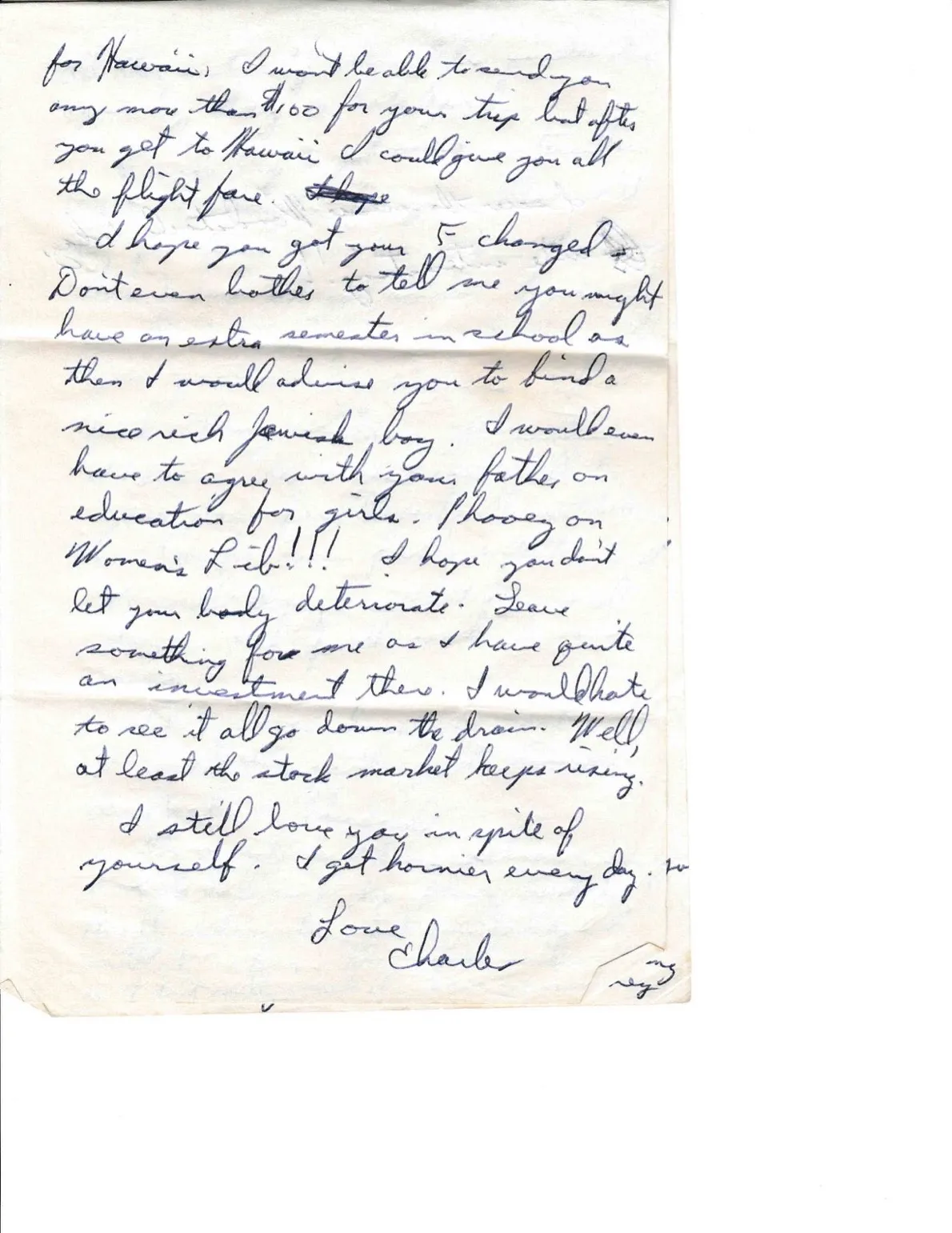
[…] till Thanksgiving I guess till our company comes back in. The monsoons will mess up our resupply, I know, and it may be that you will not even be able to get a weekly letter from me. All I can say is don’t worry. I should be able to receive your letters if they drop our supplies out to us.
If it is several weeks without word from me, raise hell. Tell mom to call Red Cross and you may as well do the same. I may as well come thru this bastard as much problem and angry as I’ll ever get a real job. Don’t do it unless you don’t get word from me for a few weeks but if it happens and I know it will, raise hell.
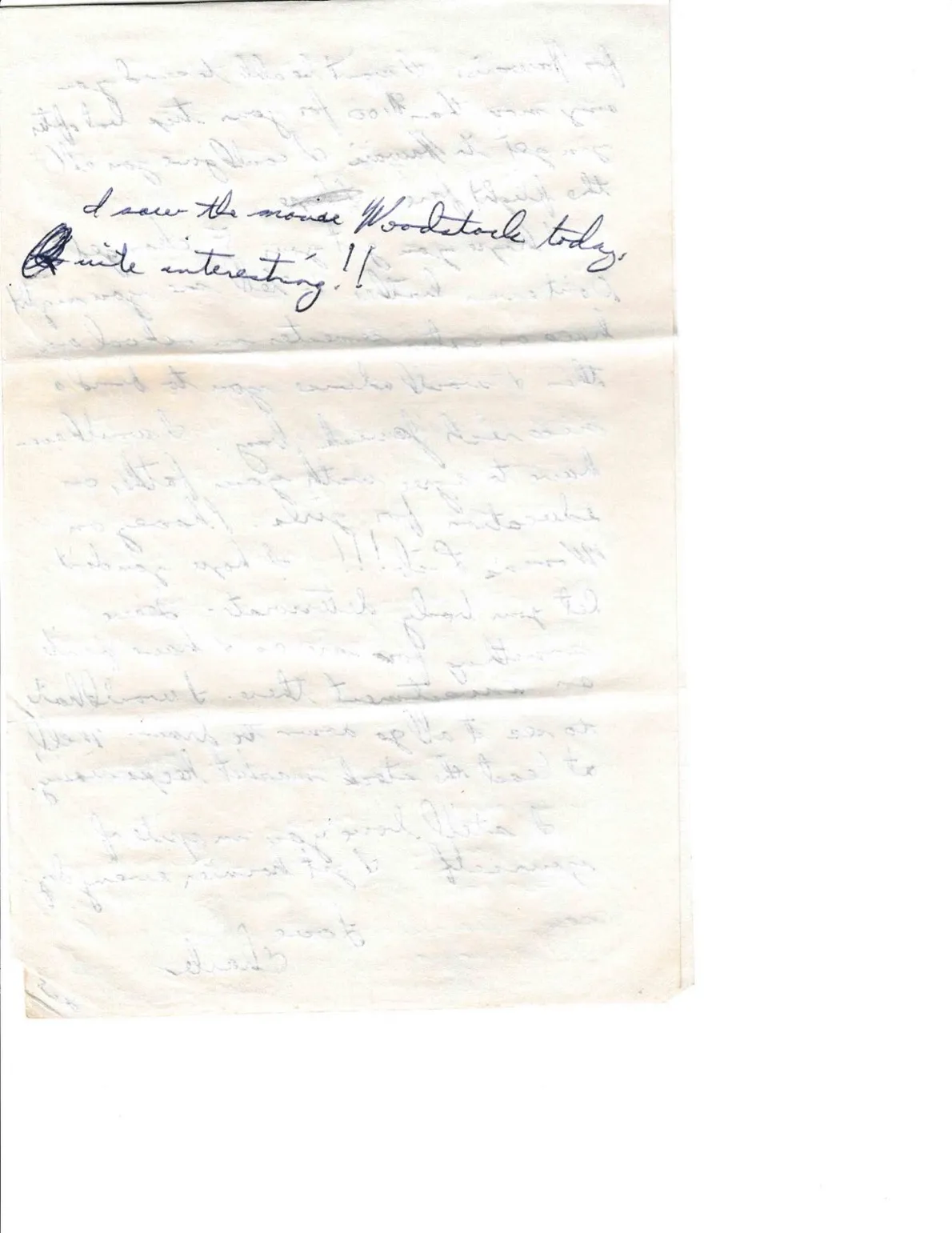
I’m enclosing a copy of your telegram which you can hold […]
The political letter from a serving infantryman
The American letters-home genre records many positions on the Vietnam War: support, doubt, despair, the rare unambiguous endorsement. What is rarer is the soldier-as-voter — the recognition that the political process is still operating around the war, that absentee ballots are reaching the field, that a private’s vote in a midterm election counts the same as a civilian’s vote at home. Charlie’s October 1970 letter is one of those rarer documents. He is in country, in the field, in the monsoon, with a new captain, with racial tensions rising on base, with the body of a fallen point man on his mind — and he is going to vote for the candidates who will end the war.
The contrast with the 22 June 1970 letter four months earlier is the trajectory: in June, the first action was “really weird”; by October, the army is the army and the 101st is the 101st and the position is settled. What a year does.
Privacy note: this letter is published in full from the dated pages dad150 and dad149 in the family archive. Some adjacent pages from the same week may be related to this letter but have not been confirmed as part of it.
Scans